Free webinar "Characterizing ultra-precision & sealing surfaces"
Compact web talk on 3D surface characterization of ultra-precision machined (UPM) and sealing components — from lapped, CNC ground to polished texture and finish.
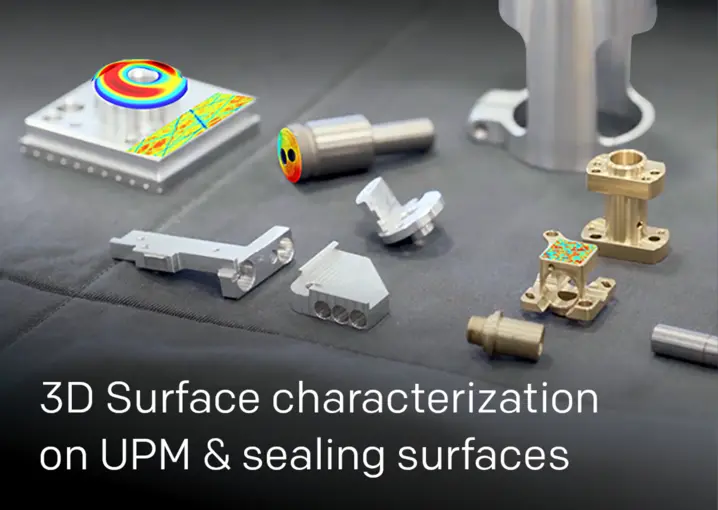
Surface texture parameters may affect the performance, appearance, friction, corrosion resistance, fatigue behavior and thus the functionality of a component. Accordingly the surface quality and features influence a wide range of products, whether in industrial machines and systems, medical devices or consumer goods. Surface texture is crucial throughout industries including manufacturing, automotive, aerospace, and electronics.
Definition and ISO standards for surface texture
Surface texture in surface metrology is defined and characterized using various parameters and standards, including those established by the International Organization for Standardization (ISO). The relevant ISO standards for defining and measuring surface texture include ISO 4287, 25178 and the new ISO 21920.
ISO 4287
This standard defines terms, definitions, and parameters related to surface texture. It provides a comprehensive guide to understanding surface texture terminology and tactile measurement methods.
ISO 25178
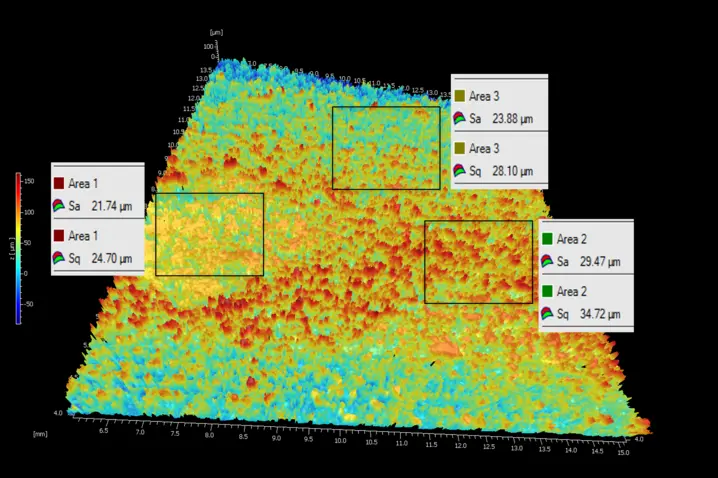
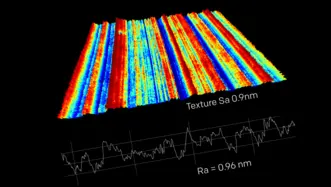
This standard addresses the measurement of surface texture using areal (3D) measurement techniques, such as contact profilometer, chromatic confocal gauge, coherence scanning interferometry and focus variation. It introduces parameters like Sa (arithmetical mean height) and Sq (root mean square height) for characterizing 3D surface texture.
New ISO 21920
This series featuring three parts replaces some of the standards, some of which are decades old, consolidating information and providing greater clarity in many areas. At the same time, there is a harmonization with the American ASME standard and ISO 25178 for surface finishes.

Download the exclusive guide on ISO 21920
Read the full exclusive paper (login) about the relevance of technical drawings (replacing ISO 1302), why ISO 21920 is more than just Ra (replacing ISO 4287 and ISO 13565-2/ -3) and how to achieve valid measurement results (replacing ISO 4288).
Characterize (3D) textures with optical and tactile profilometry
There are different approaches for measuring surface texture:
- optical, non-contact measurements
- and tactile, line-based measurements.
ISO standards provide a common framework for characterizing and specifying a surface texture, regardless of the measurement method used.
Tactile surface texture measurement
Tactile surface profilers use a stylus or probe to physically touch the surface of the material being measured. The stylus moves along the surface, recording height variations during movement. These profilers are used for measuring surface roughness and texture parameters like Ra, Rz, and Rq. They are typically ok for a wide range of surfaces, including those that may be transparent or opaque. Tactile measurement provides a direct contact with the surface, analyzing for detailed surface features. However, tactile profilers can potentially damage delicate or soft surfaces, and become time-consuming and slow when measuring large or entire areas. In addition the stylus is prone to wear resulting in measurement deviations over time.
Optical scanning of 3D textures
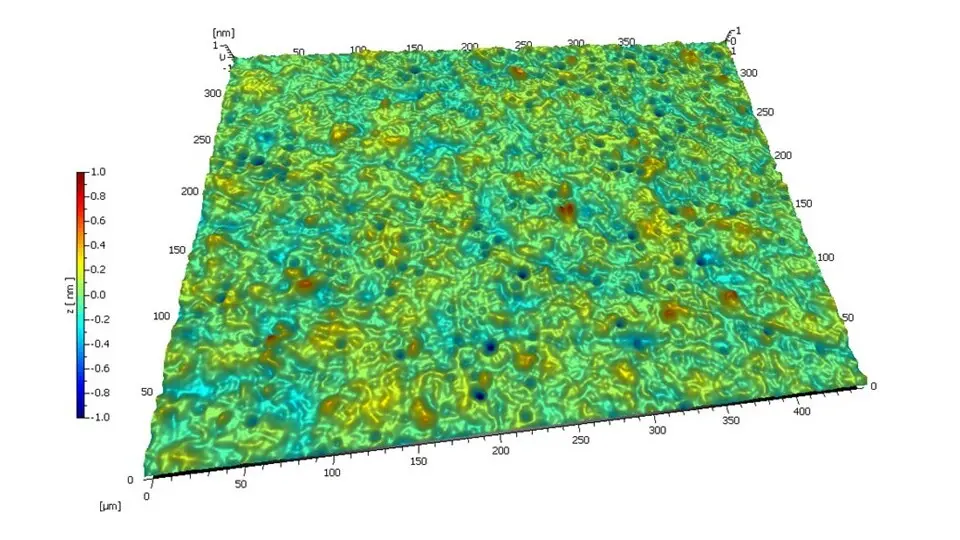
White-light profilometers or coherence scanning interferometers are optical surface profilers, providing a non-contact measurement approach, reliably capturing 3D surface topography data without physically touching the surface. They are excellent for measuring 3D surface roughness parameters and texture, such as Sa and Sq, as well as for capturing detailed surface structures and shapes.
Optical profilers are non-destructive and suitable for all sorts of surfaces including fragile or delicate ones. They are also faster for measuring larger surface areas. However, optical profilers may have limitations on shiny and bent surfaces. In summary, the choice between optical and tactile surface profiling methods depends on the specific application, the type of surface being measured, the required accuracy, and other factors. Both methods have their advantages and limitations.
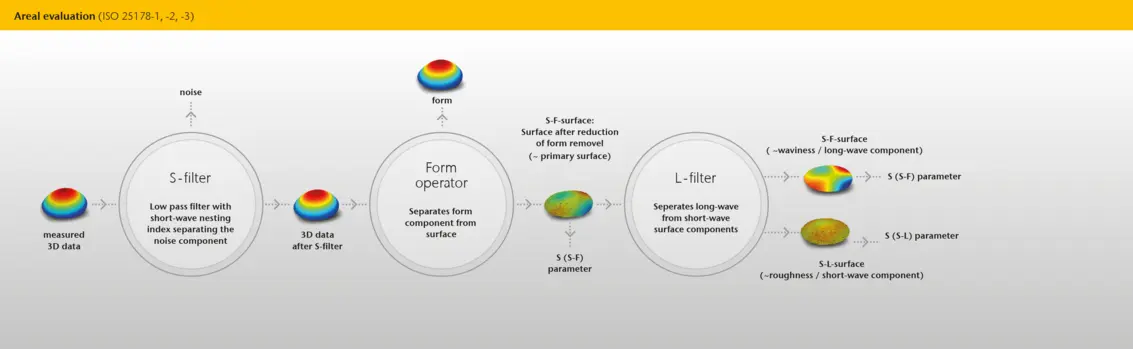
ISO for profile and areal surface evaluation
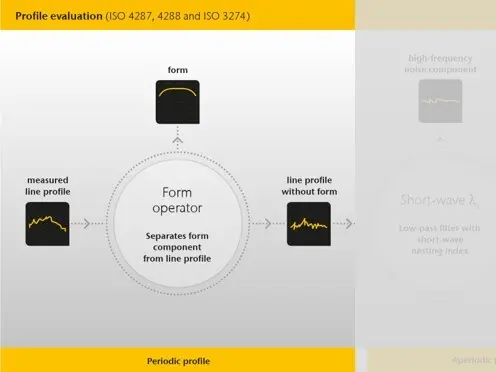
The measurement chains for the areal or profile-based surface evaluation are described in ISO 25178 or ISO 4287, they differ from each other with some details.
Your WLI options for measuring surface roughness and texture
TopMap optical profilers provide 3D texturing measurement data based on precise height data by large areal scanning technique, enabling fast and repeatable measurements and reliable results. Contact us for a free demo and feasibility study!
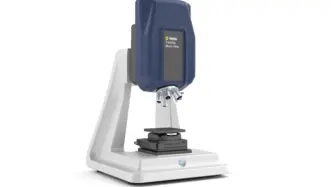
Micro.View
TopMap Micro.View® is an easy to use optical profiler in a compact table-top setup. Choose Micro.View® as the cost-effective inspection tool for examining precision-engineered surfaces down to the sub-nm range, for inspecting roughness, microstructures and more surface details.
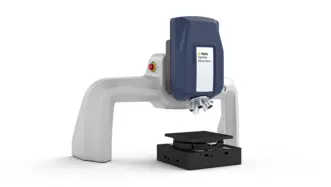
Micro.View+
Advanced microscope-based surface profiler with automation and color imaging. Micro.View+ enables repeatable, operator-independent roughness and texture analysis—ready for lab and production use.
Choose the right surface profiler with confidence—benefit from our "try before buy" approach.

Articles about surface parameters

Discuss your demands with our experts
Let’s start with a short discussion about your parts, tolerances, and workflow—and, if useful, we can add a feasibility study, PolyMeasure (contract measurements), or a PolyRent trial as optional next steps.