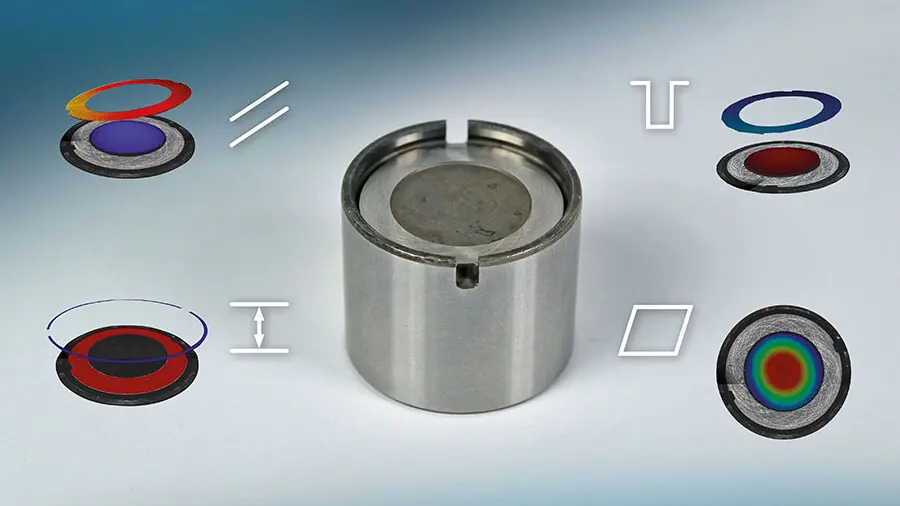
Inspect flatness, parallelism and roughness on sealings and seal faces
The quality of sealing surfaces has a decisive influence on preventing connections from leaking over time in the long run. To achieve this, the surface’s geometric properties must be defined as precisely as possible so that the intended function — in other words, leak-tightness — is fulfilled. Leaks can occur particularly if the contact surfaces’ form deviation is outside the defined tolerances.
This risk can be prevented by using Polytec’s surface measurement systems. Using these products allows you to characterize tightness not only in the lab, but also during production. Thanks to the contactless measuring method, both the form and consistency of the sealing surfaces to be inspected are maintained and the measurement results can be repeated at any time. The Polytec systems are easy to use and make fast analysis process.
Free webinar "Characterizing ultra-precision & sealing surfaces"
Compact web talk on 3D surface characterization of ultra-precision machined (UPM) and sealing components — from lapped, CNC ground to polished texture and finish.
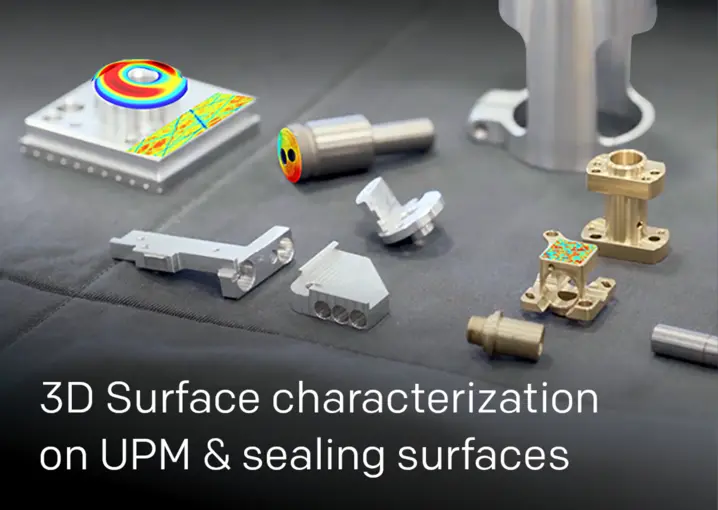
Where surface inspections need to comply with cycle times
Polytec surface measurement systems are “in their element” in all production operations where tight cycle times have to be complied with. This situation is a particularly frequent one in the automotive industry – for example where injection systems, Piezo common rail systems and compressors are used, and for motor development in general.
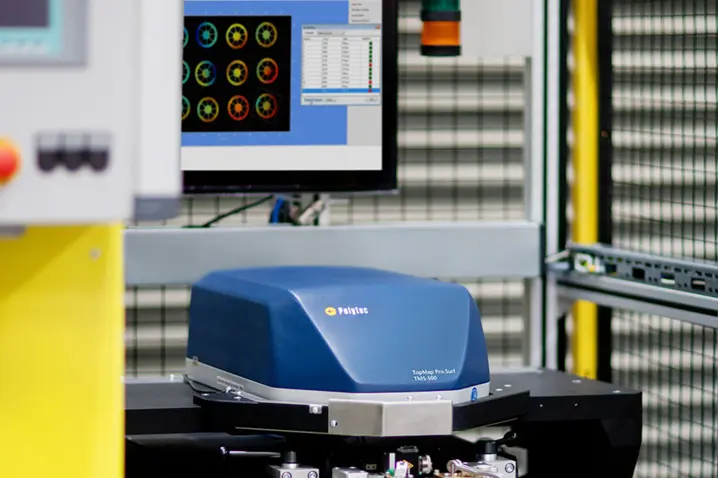
Fitting optical profilers for sealing surfaces
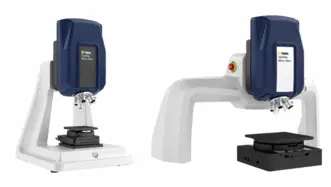
Micro-Profiler
Micro.View profiler systems are optimized for measurements with sub-nanometer resolution. With focused optics and high vertical resolution they enable detailed analysis of microstructures, surface finish and material distribution where even the smallest deviations matter.
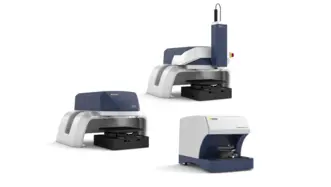
Macro Profiler
Pro.Surf inspects flatness, step height and parallelism on large parts and multi-part trays — non-contact, in seconds. No-crash telecentric optics measure even into bores, with the precision and repeatability production demands.
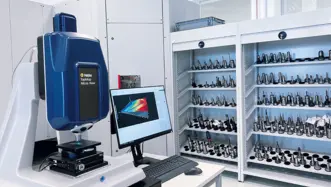
Roughness Deal Days
Save 30% on Polytec’s optical Roughness Tester—precise, non-contact 3D profilometry with sub-nm resolution. Offer valid until October 31, 2026.
Relevant surface measurement tasks
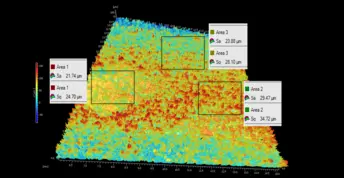
Surface roughness measurement
Surface texture analysis in 3D. From Sa/Sq to Str/Sal for validating specifications and surface features.
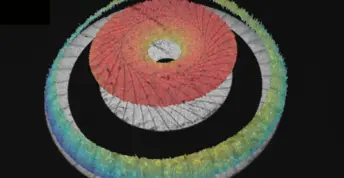
Maintain form and position tolerances
Verify form and position tolerances such as waviness, flatness, parallelism and tilt. Optical 3D surface metrology delivers reliable results—even in bores.
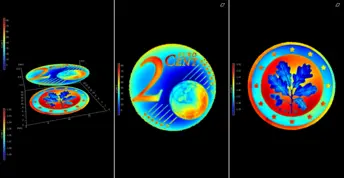
Flatness, thickness and parallelism
Flatness, thickness and parallelism (FTP) measurement combines top & bottom topography measurement in a single shot.
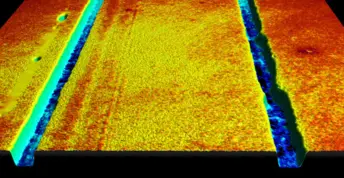
Coating Quality Control in 3D
Coating quality control in 3D. Assessing pre-coat texture, post-coat defects, and film thickness.
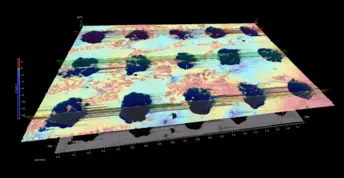
Tribology analysis
Tribology analysis with 3D surface profiler. Inspecting friction, wear and lubrication performance.
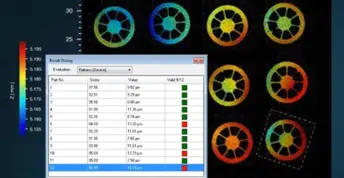
Pass/fail analysis
WLIs deliver fast, objective and easy-to-use pass/fail feedback from areal 3D data. Sub-nanometer Z resolution and recipe-driven workflows support inline SPC.
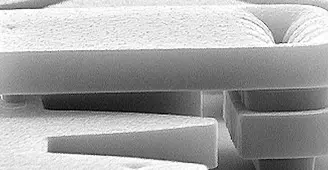
Surface metrology on microstructures
Topography & dynamics of microstructures and for nanotech. 3D geometry, roughness, and time-resolved motion.
Further metrology applications
Stories & Downloads
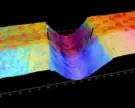

Downloads
Discuss your demands with our experts
Let’s start with a short discussion about your parts, tolerances, and workflow—and, if useful, we can add a feasibility study, PolyMeasure (contract measurements), or a PolyRent trial as optional next steps.