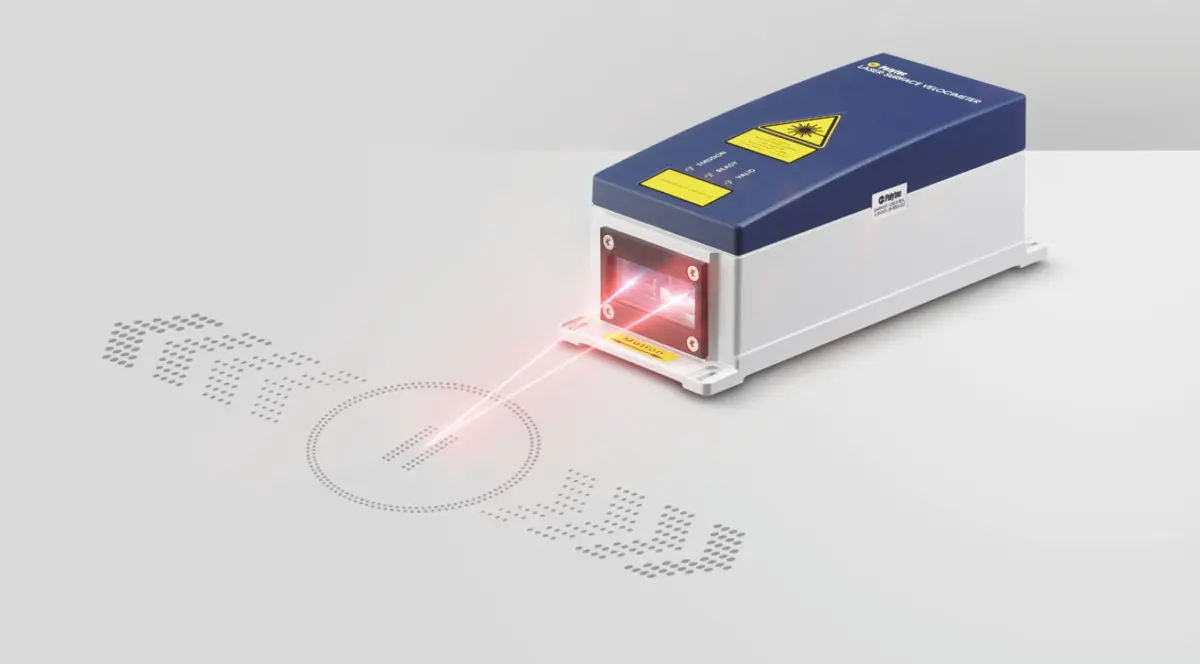
ProSpeed® optical length & speed gauges
Speed gauges are essential for process control when producing strip material, e.g. in steel mills or paper manufacturing. Knowing the exact process speed and the derived strip length allows for optimizing any manufacturing process of sheet and endless material, for casting, rolling and more. Polytec provides a non-contact measurement alternative of laser-based speed gauges for reliable process control. Learn more about how ProSpeed® optical sensors will take your production process control to the next level and test us!
incl. laser diode
(excl. shipping)
Get in touch with our experts
Get in touch with our experts
Describe your case and request an onsite proof-of-concept!
We measure more precisely!
Typical industrial processes of speed gauges
Speed measurement
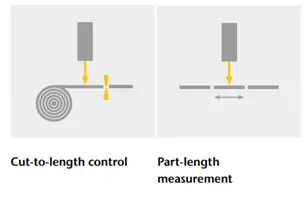
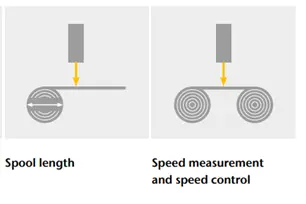
Process speed or velocity measurement is the basis for many steps in production processes such as cut-to-length control, depending on the manufacturing process sometimes speed synchronization, or differential speed measurement and more. In these processes, the ProSpeed® gauges use the laser Doppler effect for precise speed measurement, avoiding contact of the encoder with the good's surface and preventing slippage and wear, resulting in utmost precision and reliability in process control.
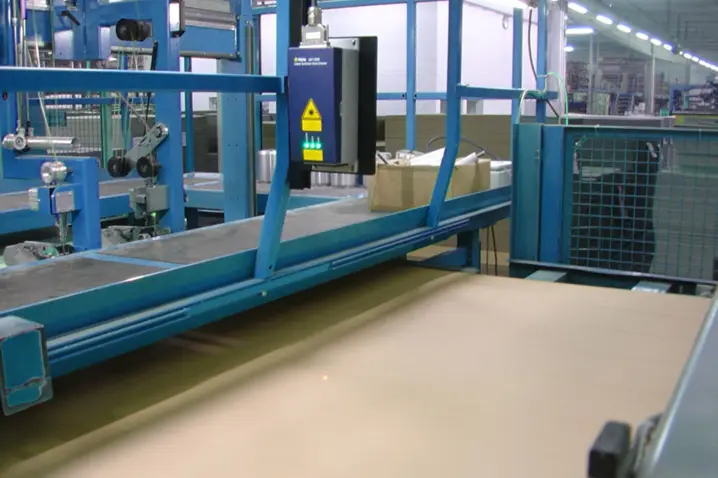
Length measurement
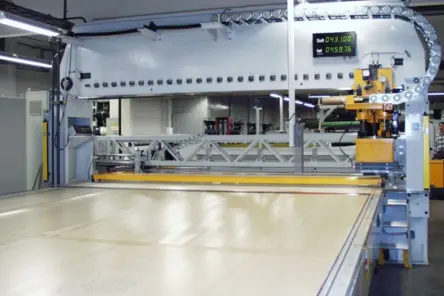
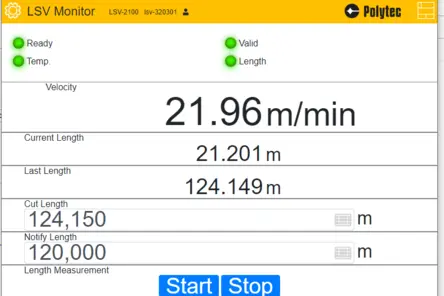
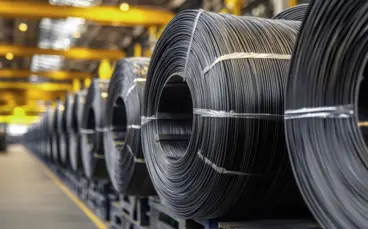
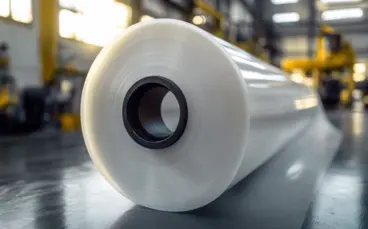
Whether in casting processes, rolling mills or any cut-to-length control, length verification of cut products such as rods, tubes, coils, panels and sheets, plate positioning in U- and O-presses for tubes, material tracking for sheet materials, winding sheet material up to position sensing and elongation... The number of speed and the respective distance traveled, are crucial for process control. ProSpeed® laser-optical gauges have become established devices in controlling production lines all over the world.
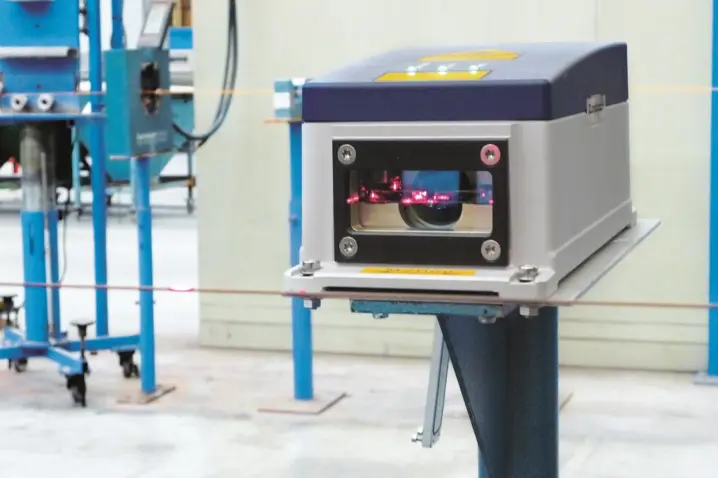
Gauges for cut-to-length, casting & rolling
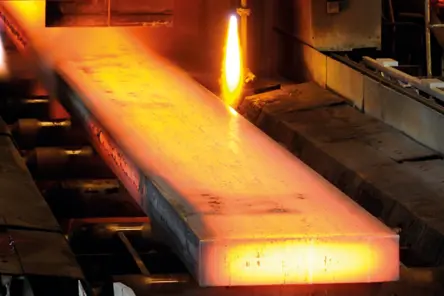
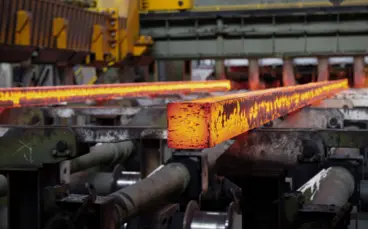
Providing electrical signals just like any classic encoders, Polytec speed gauges provide a seemless integration into any manufacturing line. Laser-based gauges show exceptional measurement performance in challenging conditions, for example when it comes to producing red-hot metals, handling material in humid, hot or dustry manufacturing environments. ProSpeed® gauges provide stable and all-time reliable measurement signal for continuous production, reducing measurement uncertainty caused by slippage or wear.
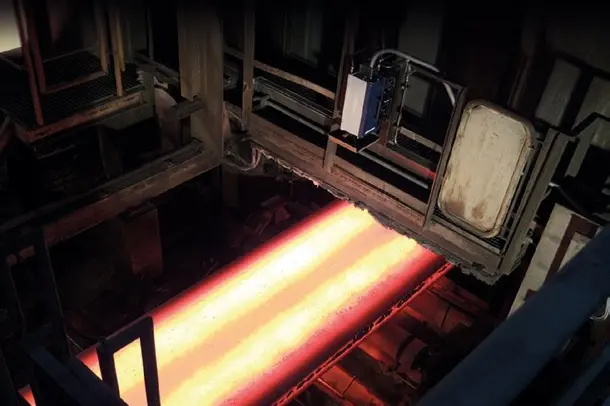
Where optical speed gauges are superior
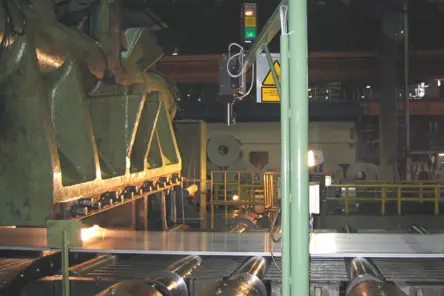
ProSpeed® speed gauges are high-performance optical sensors, replacing conventional tactile speed control devices such as encoders for a more reliable inline speed measurement in process control. The non-contact meausrement of ProSpeed® speed gauges delivers suprerior measurement performance due to avoiding contact with the measured surface and eliminating backdraws of such as slippage, wear and waste of material. ProSpeed® speed gauges are specifically made for performing reliably in harsh production environments, handling both hot and cool temperatures (-20°... 200°C).

Highlights of optical speed gauges
//- Speed gauge measures reliably inline, forward & backward motion plus standstill
- Laser technology for harsh & hot environments: IP66 and IP67; certified mechanical shock & vibration resistance
- Enhanced connectivity featuring web interface, Ethernet and fieldbus protocols
- Optical speed gauges avoid contact, slippage and wear
- High flexibility with 3 m stand-off distance
- Multi-user access: 3 via Ethernet + 1 serial
- Outstanding depth-of-field up to 200 mm compensating varying distances
- 3 years warranty, gauge exchange pool, fast & onsite support
Why optical speed gauges promise more reliable process data
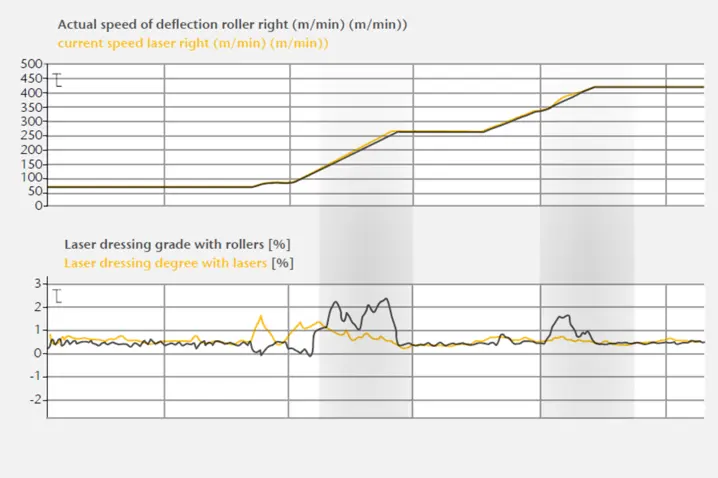
The image depicts a visualization of measurement data captured by a laser speed gauge system in the industrial process of cold rolling. The described changes in velocity or position of the sheet material allow patterns, indicating regular or periodic motions, fluctuations, or irregularities in the measured parameter. Based on this data input, the PLC can synchronize and harmonize all related process steps and regulate the mass flow process.
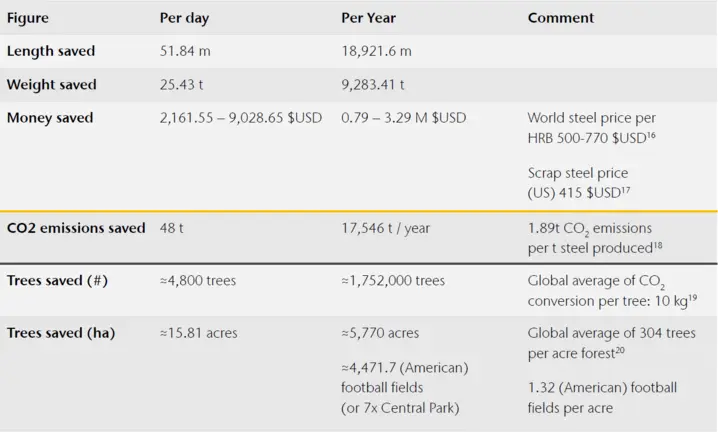
Speed gauge cost & ROI calculation example on a 5-strand billet caster
Example calculation of ROI and emission reduction in a 5-strand billet caster using ProSpeed® optical length & speed encoders.
Basic principle of laser-Doppler speed gauges
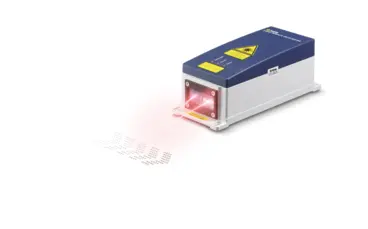
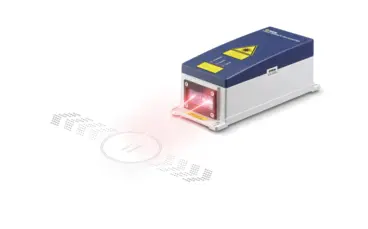
ProSpeed® optical speed gauges use the laser Doppler effect for evaluating the backscattered laser light from a moving object. Two super-imposed laser beams generate an interference pattern of bright and dark fringes on a monitored surface. As this surface of a sheet material in a manufacuring line moves through the fringe pattern, the intensity of the light scattered back results in a modulated frequency. This frequency modulation is measured by the photo receiver of the speed gauge, being directly proportional to the process speed or object velocity.
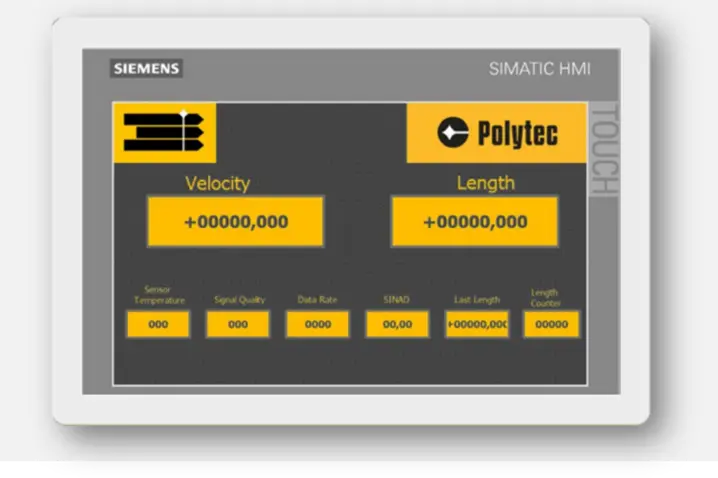
Speed gauge for process automation using Profinet
The latest generation of ProSpeed® gauges come in a rugged design with an all-in-one integrated optics and electronics. The enhanced connectivity concept allows for a seemless integration into any production line. This application note describes the integration of the ProSpeed® LSV PROFINET interface for example into a Siemens PLC S7-300 using the project engineering software TIA-Portal.
Read about the product, the integration described for Profinet & Ethernet/IP, and custom sensor configurations for up to 3m long stand-off distances with large depth-of-field for varying distances.



Get in touch with our experts
Get in touch with our experts
Contact us for cost, configuration and speed gauge integration.